About Merakey Mental Health Walk-In Clinic
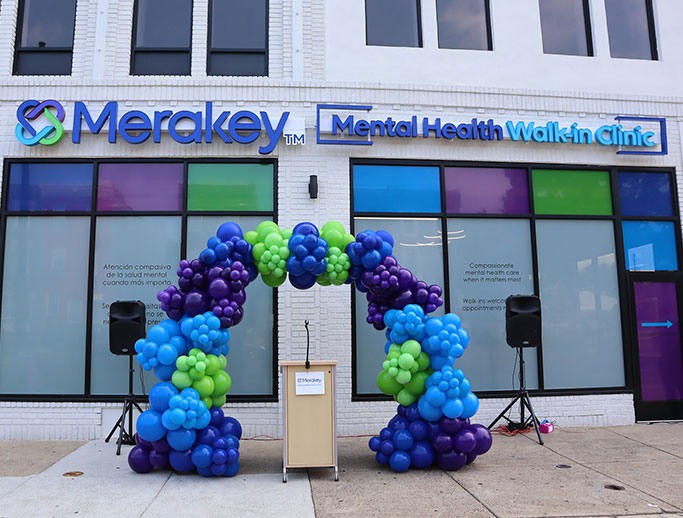
The Mental Health Walk-In Clinic is Philadelphia’s first and only behavioral health urgent care for adults (18+) needing same-day mental health care that is not an emergency. We serve individuals regardless of insurance or ability to pay. Our care team addresses urgent concerns, makes follow-up appointments, and assists with additional resources. Our services do not replace the need for ongoing mental health care; rather, we aim to reduce avoidable visits to crisis centers and emergency rooms by helping people get the mental health care they need when they need it.
What to Expect When at the Clinic
When you walk into our clinic you’ll be warmly greeted check-in with our receptionist. Before heading back to one of our consultation rooms you’ll have a chance to meet with a peer (someone in recovery themselves) and enjoy refreshments and snacks. Once in a consult room, our staff will gather the information we need to offer you recommendations and your choice of services. At the end of your visit, you’ll be provided with an aftercare plan, and we will offer additional follow-up support to help you connect with the ongoing services and supports of your choosing.
Services We Provide:
- Assessment
- Brief counseling and therapy
- Medication consultation
- Psychiatric evaluation
- Peer support
- Case management
- Care coordination
How do I know if this service is right for me or my loved one?
Our Walk-In clinic is an easy way to access mental health care for
the first time or re-connect with support. We will serve anyone
regardless of their insurance status. We’ve designed our space and
trained our staff to provide a warm, welcoming environment that feels
more like a living room than treatment center. Having the chance to talk
to someone about life’s challenges can help ease stress and develop a
plan to move forward.
Our care team helps adults experiencing:
- Emotional distress
- Life transitions
- Mental health and substance use symptoms
- Psychiatric medication issues
- Gaps in prescriptions or behavioral health services
Same Day Support With:
- Excessive worrying, fear, or feeling overwhelmed
- Feeling excessively sad, low, hopeless, or thinking life isn’t worth living
- Trauma or recent distressing events
- Confused thinking or problems concentrating and learning
- Extreme mood changes, including euphoria
- Prolonged or strong feelings of irritability or anger
- Avoiding friends and social activities
- Changes in sleeping or eating habits, such as feeling tired or a change in appetite
- Delusions or hallucinations
- Overuse of substances like alcohol or drugs
- Inability to carry out daily activities or handle daily problems
- Worsening mental health symptoms before a scheduled appointment
The Clinic’s Model
The program uses a “living room model” to provide:
- A calming, comfortable environment to promote a feeling of safety, support, and connection
- Compassionate staff with lived experience
- Timely response to mental health needs
Please note:
If you're looking for urgent care mental health services for children and youth ages 18 and under, visit DBHIDS.org. The clinic does not provide physical health urgent care services, medical assessments, or emergency crisis services. Individuals experiencing the symptoms below should seek immediate help at a Crisis Response Center or call 988.
- Thoughts of suicide or harming others
- Violent, erratic, or aggressive behavior
- Drug or substance withdrawal and detox
Location and Hours
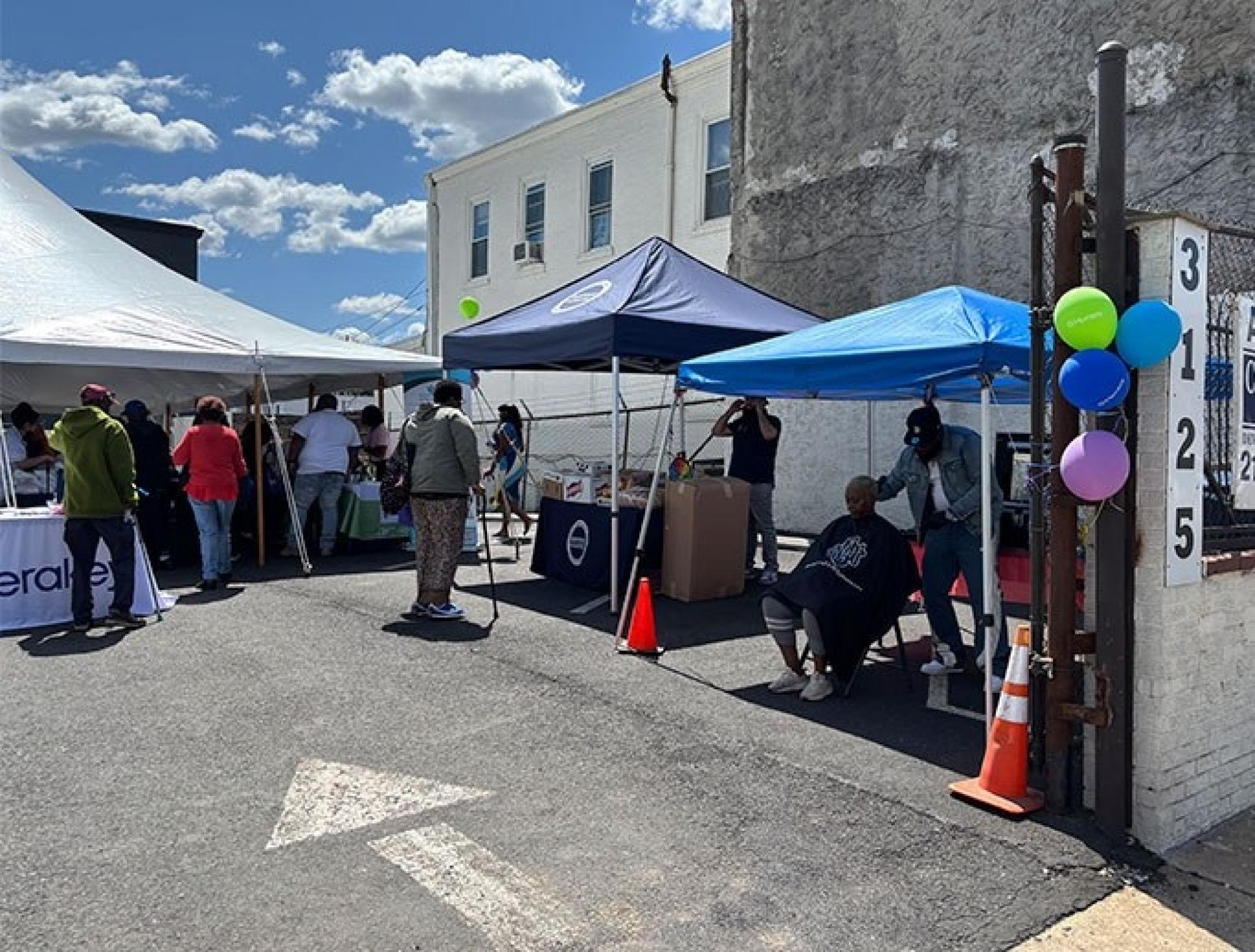
- 3125 N. Broad Street Philadelphia, PA 19132
Conveniently located near Temple University Hospital and accessible by public transportation.
- Walk-in Hours:
Open Daily: 11am – 6pm (close 7pm)
Closed: New Year’s Day, MLK Day, Memorial Day, Independence Day, Labor Day, Thanksgiving Day, Christmas Day